
The Secret to Looking Put-Together (Even in Simple Outfits)

Nora Whitmore
8 min read
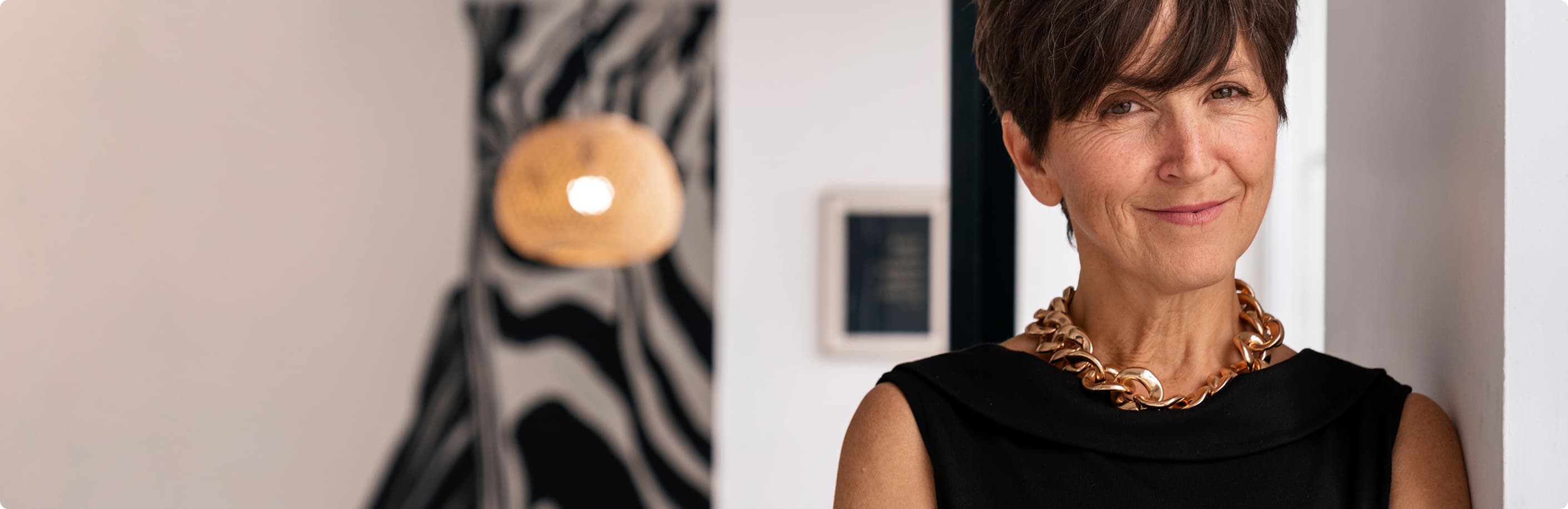
Some people look finished in a t-shirt and jeans. It is not luck, and it is not the t-shirt.
What separates a plain outfit that looks accidental from one that looks deliberate comes down to a short list of details: how the person is groomed, how the colours relate, how much contrast the outfit carries, where the proportions fall, and what the fabric does when they move.
Every one of those is learnable. This article goes through them in the order that gives the biggest return first.
Start With the 2/3 Rule
Put-together has three ingredients: hair, face and outfit. You do not need all three to be at full effort — you need two of the three.
Hair done and a considered outfit lets the face be bare. A bare face and undone hair with a very sharp outfit still looks intentional. What does not work is one out of three.
This is why the same jeans-and-tee combination looks completely different on different days. On the good days, two of the three were handled. On the tired days, none were. The clothes never changed.
Decide each morning which two you will do. Usually it is the two that take the least time — and that is fine, because the rule is about consistency, not effort.
Choose Colors With Intention
Simple outfits have nowhere to hide, so colour has to carry more of the work.
The safest move is to keep every colour in the outfit in one temperature — all warm or all cool — and to choose the piece nearest your face in a colour that flatters your undertone. When the top agrees with your skin, the whole outfit looks like it was chosen for you.
Two colours are plenty. A neutral base and one accent, or two neutrals in the same family, is all a put-together outfit needs. Three colours require real skill; four is almost always too many.
If you own a colour palette from a style quiz, use it as a filter: every piece in the outfit should be on it.
Your wardrobe can
feel easier.
Discover your personal colors, outfit ideas, and guidance designed around your life and your style.

Pay Attention to Contrast
Contrast is the difference in lightness between the pieces in an outfit — and between the outfit and you.
People with high natural contrast (dark hair, light skin, or vice versa) look sharpest in high-contrast outfits: navy and white, black and cream. People with low natural contrast (hair and skin close in tone) look best in low-contrast outfits: camel and cream, grey and silver. Matching the outfit's contrast to your own is one of the least-known and most effective tricks in dressing.
Within the outfit, decide on one level of contrast and hold it. A high-contrast top and bottom with a mid-contrast shoe looks confused; keep the shoe at the same level as the rest.
If a simple outfit looks flat, it usually needs more contrast. If it looks harsh, it needs less.
Get the Proportions Right
Proportion is where most simple outfits quietly fail. The pieces are right; the lengths are not.
The reliable guideline is thirds, not halves. A top that ends at a third or two-thirds of the way down the body looks balanced; a top that ends exactly at the hip cuts the body in half and shortens everything.
Volume should be balanced too. A wide trouser wants a fitted top; an oversized knit wants a slim leg. Volume on both halves swamps the body; slim on both halves can look underdressed.
Half-tucking a top, rolling a sleeve, or changing a shoe height are free ways to move proportion by a few centimetres — and a few centimetres is usually all it takes.
Invest in Better Fabrics
A plain outfit is judged on its surfaces, because there is nothing else to look at.
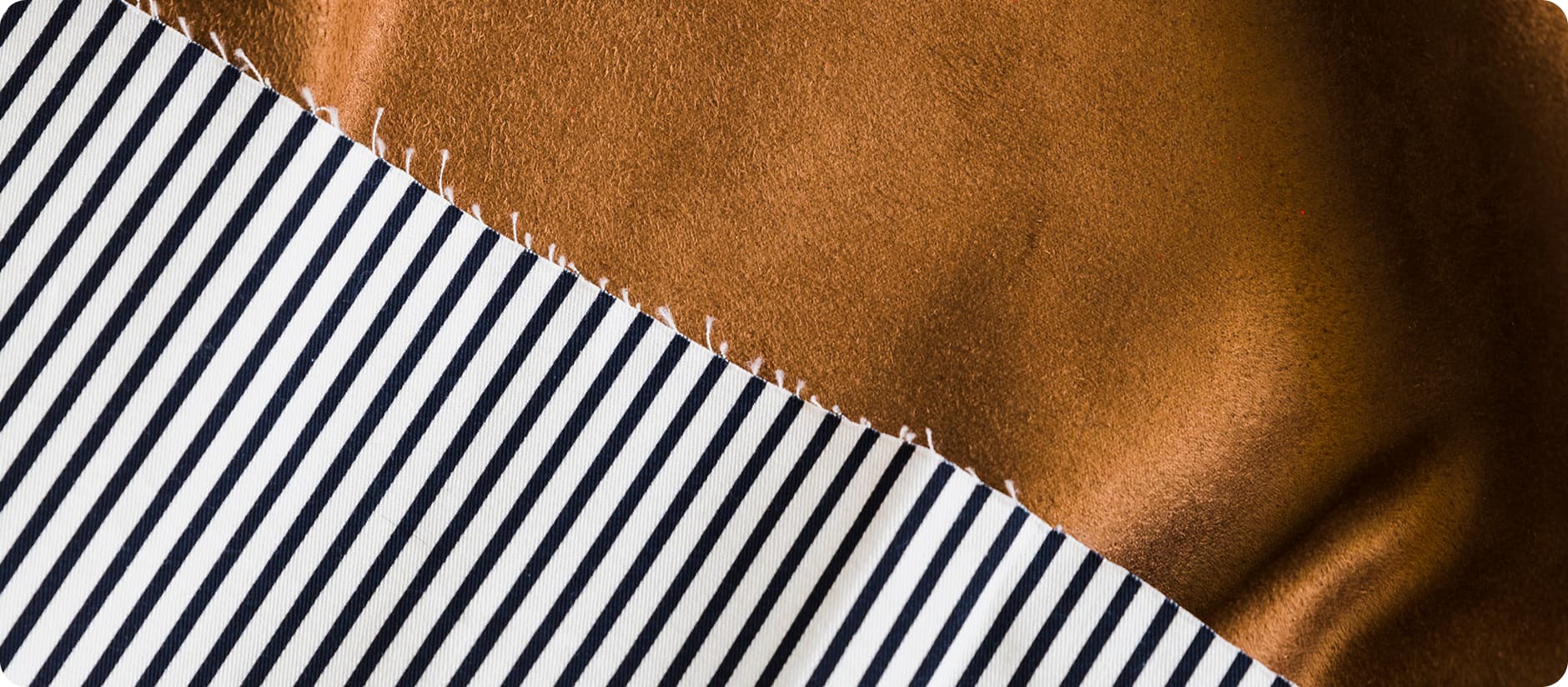
Fabric that holds its shape — dense cotton, wool, heavy linen, a firm knit — looks deliberate. Fabric that clings, shines or wrinkles within an hour looks like it happened by accident. This is true at every price; a heavy cotton tee at a modest price will outperform a thin designer one.
Care is part of fabric. Pilled knits, faded blacks and creased shirts undo every other effort in this article. A steamer and a fabric shaver cost less than one garment and improve every garment you own.
When in doubt between two similar pieces, choose the heavier one.
The Finishing Layer
The last detail is the one people notice first: the finishing layer. It is the belt, the shoe, the single piece of jewellery, the coat thrown over the shoulders.
A finishing layer should do one thing — add polish — and it should do it once. A belt that matches the shoe. A pair of earrings in the metal that matches the belt buckle. A structured bag in the outfit's darkest neutral.
Notice what is missing from that list: anything extra. The finishing layer is where a simple outfit becomes put together, and also where it can tip into overdone. One addition, chosen carefully, is the whole secret.
Handle two of the three, keep the colours in one temperature, match the contrast to your own, balance the proportions, wear fabric that holds, and finish once. That is what the people who always look put together are doing — even in a t-shirt and jeans.